In the quiet forests of distant lands, a subtle glow emanates from decaying logs and mossy trunks, where bioluminescent fungi have long cast their ethereal light upon the undergrowth. For centuries, this natural phenomenon has captivated poets and scientists alike, but only recently has its potential for practical human application come into sharp focus. Researchers and urban planners are now exploring the possibility of harnessing these living lights to illuminate our streets, pathways, and public spaces, potentially revolutionizing how we think about urban lighting and sustainability.
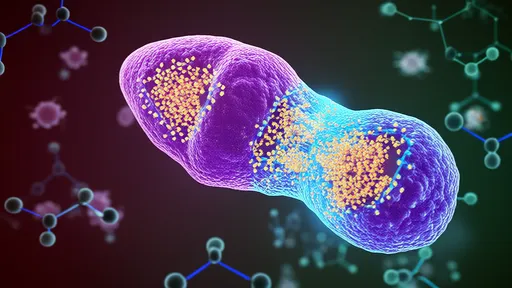
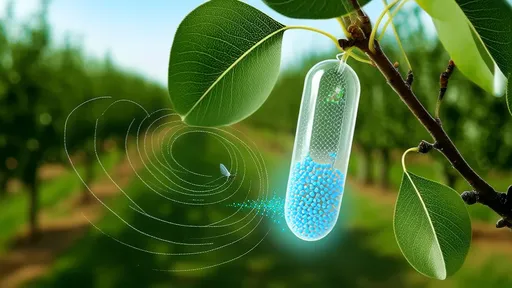
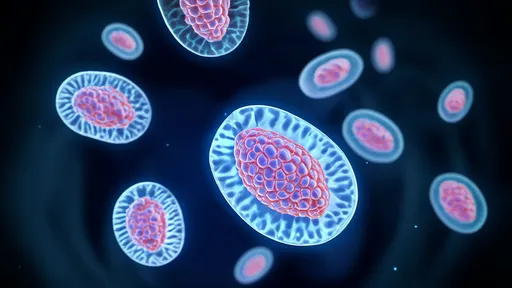
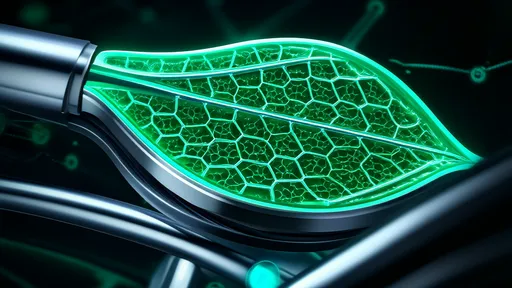
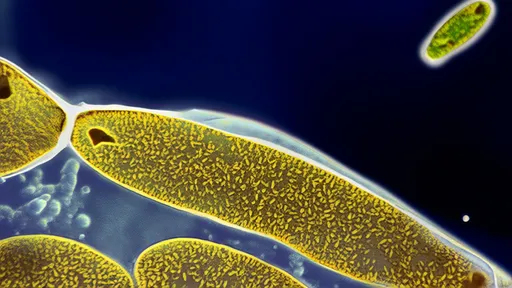
The concept might sound like science fiction, but it is grounded in rigorous scientific exploration. Bioluminescent fungi, such as the well-known Mycena lux-coeli or Panellus stipticus, produce light through complex biochemical reactions involving luciferins and luciferase enzymes. When these fungi form symbiotic relationships with certain plant species—often through mycorrhizal associations where the fungi colonize the roots of plants—they can transfer their glowing properties to their hosts. This symbiotic partnership creates what scientists term "autoluminescent plants": living organisms that emit light without the need for external energy sources.
The implications for urban infrastructure are profound. Imagine city streets lined with trees that softly glow after dusk, reducing the need for conventional electric lighting. Not only would this approach slash energy consumption and associated carbon emissions, but it could also mitigate light pollution, which disrupts ecosystems and obscures our view of the night sky. Moreover, these biological systems operate silently and without the heat output of traditional bulbs, creating a more pleasant and environmentally harmonious urban experience.
Current research initiatives are diving deep into the mechanics of these fungal-plant relationships. Scientists are experimenting with gene editing and selective breeding to enhance the brightness and durability of the glow. Early trials have shown that by optimizing conditions such as soil composition, moisture levels, and microbial partners, the intensity of the light can be significantly amplified. Some prototypes have achieved luminosity levels sufficient for practical pathway illumination, though widespread implementation remains years away.
Challenges, of course, abound. The variability of biological systems means that consistent light output can be difficult to maintain across different environments and seasons. There are also concerns about the long-term health of the plants involved and potential ecological impacts if these modified organisms were to spread beyond their intended areas. Regulatory hurdles and public acceptance present additional layers of complexity, requiring careful dialogue between scientists, policymakers, and communities.
Despite these obstacles, the momentum behind bioluminescent lighting is growing. Pilot projects in several forward-thinking cities have begun integrating these systems into parks and pedestrian zones, gathering valuable data on performance and public perception. The results so far are encouraging: residents report a magical, almost therapeutic quality to the natural light, and municipal energy bills have seen noticeable reductions.
Looking ahead, the fusion of biology and technology promises a new era of sustainable design. As research progresses, we may see not only glowing trees but also shrubs, grasses, and even flowers engineered to light our way. This approach aligns with broader movements towards biomimicry and green urbanism, where solutions are drawn from nature’s time-tested patterns and strategies.
In the end, the shift towards autoluminescent lighting is about more than just saving energy or reducing infrastructure costs. It represents a fundamental reimagining of our relationship with the natural world, one where technology does not overpower nature but collaborates with it. As we move forward into an increasingly urbanized future, such innovations remind us that the best solutions may already be growing quietly in the forest, waiting for us to notice their gentle glow.

By /Aug 27, 2025
By /Aug 27, 2025

By /Aug 27, 2025
By /Aug 27, 2025

By /Aug 27, 2025

By /Aug 27, 2025
By /Aug 27, 2025
By /Aug 27, 2025
By /Aug 27, 2025
By /Aug 27, 2025

By /Aug 27, 2025

By /Aug 27, 2025
By /Aug 27, 2025
By /Aug 27, 2025

By /Aug 27, 2025
By /Aug 27, 2025
By /Aug 27, 2025

By /Aug 27, 2025
By /Aug 27, 2025
By /Aug 27, 2025
