DNA Nanorobots: Programmable DNA Origami Machines for Cellular Tasks

Aug 27, 2025 By

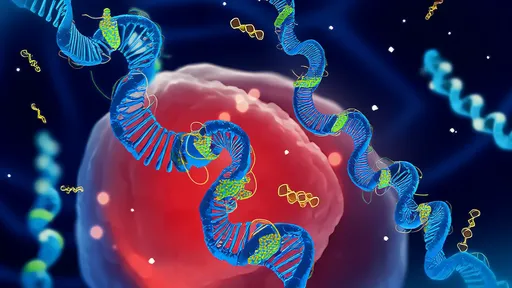
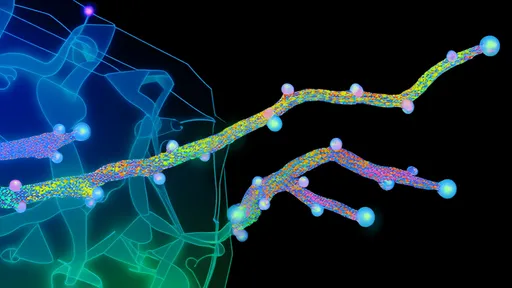
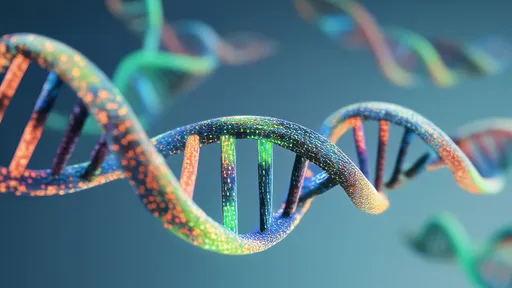
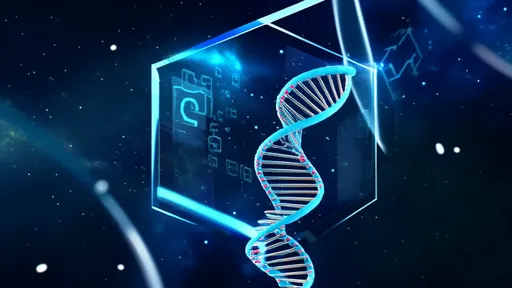
In the rapidly evolving landscape of nanotechnology, a groundbreaking innovation is capturing the attention of scientists and medical professionals alike: DNA nanorobots. These minuscule marvels, constructed from the very fabric of life itself, are poised to revolutionize how we approach diagnostics, drug delivery, and even complex cellular repair. Unlike conventional robotics built from metals and polymers, these devices are engineered from strands of DNA, programmed to fold into specific, functional shapes—a technique famously known as DNA origami. This field represents not just an incremental step, but a giant leap forward in our ability to interact with biological systems at a molecular level.

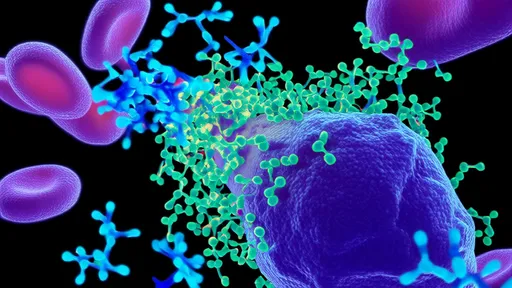
The foundational principle behind these nanorobots is elegantly simple yet profoundly powerful. Scientists design specific nucleotide sequences that self-assemble into predetermined, nanoscale structures. These are not static objects; they are dynamic machines. Through careful programming, researchers can install mechanisms such as hinges, locks, and triggers that respond to specific environmental cues. For instance, a nanorobot can be designed to remain closed and inactive while circulating in the bloodstream, only to spring open and reveal its therapeutic cargo when it encounters a unique protein signature on the surface of a cancer cell. This level of precise, targeted action was once the stuff of science fiction.

The potential applications for this technology are as vast as they are transformative. In oncology, DNA nanorobots offer a promising path toward truly targeted chemotherapy. Imagine deploying an army of these devices that indiscriminately attack tumor cells while leaving healthy tissue completely untouched—a stark contrast to the systemic and often devastating side effects of current treatments. Beyond cancer, these nanoscale workhorses could be programmed to perform intricate surgeries from within, clearing clogged arteries, repairing damaged neurons, or precisely regulating hormone levels by acting as artificial glands. The ability to operate at such a fundamental biological level opens doors to treatments for diseases previously deemed incurable.

However, the journey from laboratory breakthrough to clinical reality is fraught with significant challenges. A primary concern is the body's immune response. These foreign structures, even though made of DNA, can trigger defenses that quickly clear them from the system before they can complete their mission. Researchers are actively developing stealth coatings, often using polyethylene glycol (PEG), to cloak the nanorobots and evade immune detection. Another critical hurdle is ensuring flawless operation in the incredibly complex and unpredictable environment of the human body. A malfunctioning nanorobot could have unintended consequences, making rigorous testing and fail-safe mechanisms an absolute necessity.

Despite these hurdles, the progress has been nothing short of remarkable. Recent experiments have successfully demonstrated the capability of DNA nanorobots to halt tumor growth in mouse models, a proof-of-concept that has electrified the research community. Other studies have shown them effectively delivering clotting factors to specific wound sites or acting as intelligent sensors to diagnose disease markers long before traditional symptoms appear. Each successful experiment adds another layer of validation to the entire field, building a compelling case for its future.

Looking ahead, the horizon of possibilities continues to expand. The convergence of DNA nanotechnology with advancements in artificial intelligence could lead to even smarter, adaptive systems. AI could be used to design more complex structures and predict their behavior in silico before a single strand of DNA is ever synthesized. Furthermore, the concept of using a patient's own DNA to create personalized nanorobots presents a future where medicine is not just targeted, but truly individualized, minimizing rejection and maximizing efficacy.

In conclusion, DNA nanorobots stand at the thrilling confluence of biology, robotics, and computer science. They embody a new paradigm for medical intervention—one that is minimally invasive, highly precise, and programmable. While technical and ethical challenges remain on the path to widespread clinical use, the foundational research has already proven their immense potential. As scientists continue to refine their designs and overcome biological barriers, we move closer to a future where disease is managed not with scalpels and broad-spectrum drugs, but with legions of microscopic, programmable machines working in harmony with the body's own processes.
Recommend Posts
Biology

eDNA Monitoring Network: Detecting Aquatic Organisms through Environmental DNA in Water Bodies

By /Aug 27, 2025

In the quest to understand and protect aquatic ecosystems, scientists have turned to a revolutionary tool that reads nature's genetic fingerprints left in water. Environmental DNA, or eDNA, monitoring is transforming how researchers detect and study species beneath the waves without ever laying eyes on them. This non-invasive technique involves collecting water samples and analyzing the traces of DNA that organisms shed through skin cells, waste, or other biological materials. The resulting data paints a vivid picture of life in rivers, lakes, and oceans, offering insights that were once unimaginable with traditional survey methods.
Biology

Mitochondrial Dynamics: Mechanisms of Mitochondrial Fusion and Fission in Regulating Cellular Metabolism

By /Aug 27, 2025

In the intricate world of cellular biology, mitochondria stand as dynamic powerhouses, far from the static structures once imagined. Their continuous reshaping through fusion and fission processes not only defines their morphology but also intricately regulates cellular metabolism. This dance of organelles is a sophisticated response to the cell's energetic demands, stress signals, and overall physiological state.
Biology

DNA Nanorobots: Programmable DNA Origami Machines for Cellular Tasks

By /Aug 27, 2025

In the rapidly evolving landscape of nanotechnology, a groundbreaking innovation is capturing the attention of scientists and medical professionals alike: DNA nanorobots. These minuscule marvels, constructed from the very fabric of life itself, are poised to revolutionize how we approach diagnostics, drug delivery, and even complex cellular repair. Unlike conventional robotics built from metals and polymers, these devices are engineered from strands of DNA, programmed to fold into specific, functional shapes—a technique famously known as DNA origami. This field represents not just an incremental step, but a giant leap forward in our ability to interact with biological systems at a molecular level.
Biology

Precision Control of Sex Pheromones: Slow-release Technology for Pear Small Fruit Borer Pheromones

By /Aug 27, 2025

In the quiet orchards where pears and peaches grow, a silent revolution is taking place against one of fruit cultivation's most persistent adversaries: the oriental fruit moth, Grapholita molesta. For decades, farmers have waged chemical warfare against this pest, but the collateral damage—environmental harm, resistance development, and non-target species impact—has spurred a search for smarter solutions. Among the most promising is the targeted use of the moth's own communication system: its sex pheromones.
Biology

Assessment of Iron Fertilization to Enhance the Carbon Sequestration Effect in the Southern Ocean

By /Aug 27, 2025

In the ongoing battle against climate change, scientists have turned their gaze toward the vast, untapped potential of the world's oceans. Among the most promising—and controversial—approaches is the concept of ocean iron fertilization, a geoengineering technique designed to enhance the ocean's natural carbon pump. The Southern Ocean, encircling Antarctica, has emerged as a primary focus for these efforts due to its unique biogeochemical properties and its critical role in global carbon cycling. This region, though rich in nutrients like nitrate and phosphate, is notably deficient in iron, a micronutrient essential for phytoplankton growth. By artificially adding iron to these iron-limited waters, researchers aim to stimulate massive phytoplankton blooms, which would absorb atmospheric carbon dioxide through photosynthesis. When these organisms die or are consumed, a portion of the carbon sinks to the deep ocean, effectively sequestering it away from the atmosphere for centuries. This process, known as the biological carbon pump, represents a potential lever to augment the ocean's capacity as a carbon sink.
Biology

Breakthrough in Neural Interface Materials: Conductive Polymer Polypyrrole for Brain-Computer Interfaces

By /Aug 27, 2025

In a stunning leap forward for neurotechnology, researchers have unveiled a groundbreaking neural interface material that promises to redefine the boundaries of brain-computer communication. The development centers on an advanced formulation of polypyrrole, a conductive polymer that has demonstrated unprecedented capabilities in bridging the delicate gap between biological neural tissue and electronic systems. This innovation not only challenges existing paradigms in neural engineering but also opens new frontiers for medical applications, cognitive enhancement, and human-machine symbiosis.
Biology

Mycelium-Based New Material: Fungal Mycelium for Biodegradable Building Soundproofing Panels

By /Aug 27, 2025

In the quiet corners of material science laboratories, a silent revolution is brewing, one that grows rather than is manufactured. Researchers and innovators are increasingly turning their attention to the humble yet astonishing world of fungi, specifically the root-like network known as mycelium, to develop sustainable building materials. Among the most promising applications is the creation of fully biodegradable acoustic insulation panels, a development that could significantly alter the environmental footprint of the construction industry.
Biology

Water Conservation in Desert Plants: The Unique Diurnal Rhythm of Stomatal Opening and Closing in Welwitschia

By /Aug 27, 2025

In the heart of the Namib Desert, where rainfall is a rarity and survival is a relentless challenge, one plant has evolved a breathtakingly efficient strategy to conserve water. The Welwitschia mirabilis, commonly known as the welwitschia or tree tumbo, stands as a testament to nature's ingenuity. This ancient gymnosperm, often called a "living fossil," can live for over a thousand years, enduring some of the harshest conditions on Earth. Central to its remarkable longevity is a unique circadian rhythm governing the opening and closing of its stomata—a biological innovation that has captivated botanists and ecologists alike.
Biology

Viral Evolution Tracking: Reconstructing Transmission Pathways Using Phylogeography

By /Aug 27, 2025

In the shadow of global outbreaks, a scientific discipline once confined to academic circles has surged to the forefront of public health defense: phylogeography. By marrying the evolutionary history of pathogens with their geographical spread, researchers are now reconstructing the hidden journeys of viruses with unprecedented clarity, turning genetic code into a powerful narrative of outbreak dynamics.
Biology

Aging Cell Clearance: A New Strategy for CAR-T Cells Targeting Senescent Cells

By /Aug 27, 2025

In a groundbreaking development that could reshape our approach to aging and age-related diseases, scientists have unveiled a novel strategy using engineered CAR-T cells to selectively eliminate senescent cells from the body. This innovative approach harnesses the precision of immunotherapy to target one of the fundamental drivers of biological aging, opening new avenues for therapeutic interventions.
Biology

New Pathway of the Gut-Brain Axis: Impact of Gut Microbiota Metabolites on Mood through the Vagus Nerve

By /Aug 27, 2025

In the intricate landscape of human biology, few discoveries have captured scientific imagination like the gut-brain axis. For decades, this bidirectional communication highway between our digestive system and central nervous system has been a subject of intense research. Yet, recent breakthroughs have illuminated a fascinating new pathway that promises to revolutionize our understanding of mental health and neurological disorders. Scientists have uncovered compelling evidence that gut microbiota metabolites directly influence emotional states through the vagus nerve, creating what many are calling the most significant advancement in psychobiotic research this century.
Biology

Self-luminous plants: Achieving road lighting through symbiosis with bioluminescent fungi

By /Aug 27, 2025

In the quiet forests of distant lands, a subtle glow emanates from decaying logs and mossy trunks, where bioluminescent fungi have long cast their ethereal light upon the undergrowth. For centuries, this natural phenomenon has captivated poets and scientists alike, but only recently has its potential for practical human application come into sharp focus. Researchers and urban planners are now exploring the possibility of harnessing these living lights to illuminate our streets, pathways, and public spaces, potentially revolutionizing how we think about urban lighting and sustainability.
Biology

Insect Flight Efficiency: The Elastic Energy Storage Mechanism of Fruit Fly Flight Muscles

By /Aug 27, 2025

In the intricate world of insect flight, few subjects captivate researchers quite like the flight efficiency of Drosophila melanogaster, the common fruit fly. These tiny aviators perform aerial maneuvers with an agility that defies their size, executing rapid wing beats and precise directional changes that leave engineers in awe. At the heart of this remarkable capability lies a sophisticated biological mechanism: the elastic energy storage system within their flight muscles. This system not only powers their sustained flight but does so with an efficiency that has inspired biomimetic research across aerospace and robotics.
Biology

Deep-Sea Adaptation Miracle: Functional Maintenance of Lionfish Skeletal Muscle under High Pressure

By /Aug 27, 2025

In the crushing darkness of the deep sea, where pressures mount to levels that would obliterate most life forms, the hadal snailfish glides with an almost contemptuous ease. This ghostly, pale creature, dwelling at depths exceeding 6,000 meters, represents one of biology's most profound enigmas. Its very existence challenges our fundamental understanding of biochemistry and physiology, posing a critical question: how does life not only survive but functionally thrive under such extreme conditions? The answer, scientists are discovering, lies not in some exotic external shield, but deep within the very fabric of its being—its muscles.
Biology

Biological Anti-Counterfeiting Code: Microorganism Gene Sequences as Product Anti-Forgery Labels

By /Aug 27, 2025

In an era where counterfeit goods cost the global economy over half a trillion dollars annually, the race to develop unbreakable anti-counterfeiting technologies has intensified. While holograms, QR codes, and RFID tags have served as frontline defenses, their vulnerability to replication has spurred innovation in an unexpected direction: biology. The emerging field of biological cryptography now proposes using microbial gene sequences as living, self-replicating security tags—a concept that merges cutting-edge genomics with industrial authentication.
Biology

Cell Fate Reprogramming: Direct Transdifferentiation for Functional Mature Cardiac Cells

By /Aug 27, 2025

In the ever-evolving landscape of regenerative medicine, the quest to generate functional, mature cardiomyocytes through direct reprogramming has emerged as a groundbreaking frontier. This approach, known as direct transdifferentiation, bypasses the pluripotent stem cell stage, offering a potentially safer and more efficient route to cardiac cell therapy. Unlike traditional methods that rely on induced pluripotent stem cells (iPSCs), direct reprogramming converts somatic cells, such as fibroblasts, directly into cardiomyocytes, minimizing risks of tumorigenesis and ethical concerns. The implications for treating heart disease, the leading cause of death globally, are profound, as this technology could enable the repair of damaged heart tissue with patient-specific cells.
Biology

Artificial Photosynthesis System: Biomimetic Chloroplast Structure Design Using Metal-Organic Frameworks

By /Aug 27, 2025

In the relentless pursuit of sustainable energy solutions, a groundbreaking frontier has emerged at the confluence of materials science and synthetic biology. Scientists are now looking beyond traditional silicon-based photovoltaics, turning their gaze towards the most proficient energy converter known to nature: the chloroplast. The intricate machinery within these biological powerhouses has inspired a revolutionary approach—designing artificial photosynthetic systems using Metal-Organic Frameworks (MOFs) to mimic their elegant structure and function. This isn't merely an imitation of form; it's an ambitious endeavor to capture the essence of photosynthesis and repurpose it for human energy needs, offering a potential pathway to clean fuel production and carbon sequestration.
Biology

DNA Storage Density: Deoxyribonucleic Acid Lattice Achieves Zettabyte-Level Storage Breakthrough

By /Aug 27, 2025

In a landmark achievement that could redefine the future of data storage, scientists have successfully leveraged the molecular architecture of DNA to achieve zettabyte-scale storage density through precisely engineered deoxyribonucleic acid lattices. This breakthrough represents not merely an incremental improvement but a quantum leap in our capacity to preserve information, potentially solving the looming global data storage crisis as traditional silicon-based technologies approach their physical limits.
Biology

Aviary Acoustic Adaptation: Urban Nightingale Song Frequency Changes in Response to Noise Pollution

By /Aug 27, 2025

In the heart of bustling cities, where the cacophony of human activity often drowns out nature's whispers, a remarkable adaptation is taking place among urban nightingales. These birds, celebrated for their complex and melodious songs, are altering their vocal frequencies to be heard above the relentless hum of traffic and machinery. This phenomenon represents a fascinating intersection of animal behavior, urban ecology, and evolutionary biology, revealing how wildlife persists and even thrives in human-dominated landscapes.
Biology

Microbial Construction Adhesive: Application of Urease from Bacillus pasteurii for Sand Soil Solidification

By /Aug 27, 2025

In the evolving landscape of sustainable construction, a microscopic ally is making a monumental impact. Researchers and engineers are turning to nature’s own toolkit, exploring the potential of microorganisms to revolutionize how we build. Among these biological pioneers, Bacillus pasteurii, a common soil bacterium, has emerged as a key player. This bacterium’s unique ability to produce the enzyme urease is being harnessed to develop a novel biological cement, offering an eco-friendly alternative to traditional chemical binders for soil stabilization.