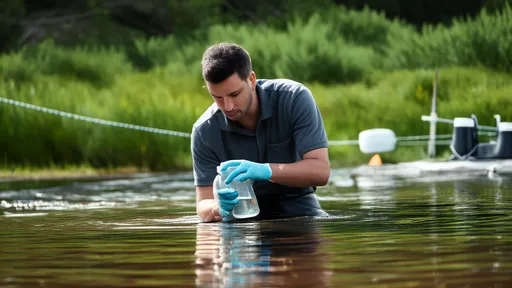
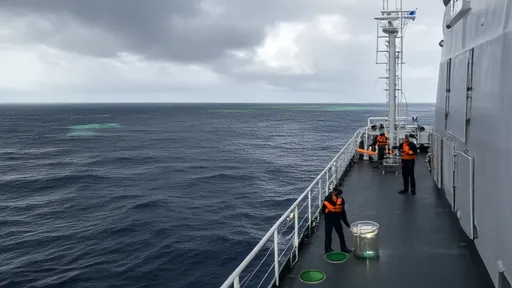
In the quest to understand and protect aquatic ecosystems, scientists have turned to a revolutionary tool that reads nature's genetic fingerprints left in water. Environmental DNA, or eDNA, monitoring is transforming how researchers detect and study species beneath the waves without ever laying eyes on them. This non-invasive technique involves collecting water samples and analyzing the traces of DNA that organisms shed through skin cells, waste, or other biological materials. The resulting data paints a vivid picture of life in rivers, lakes, and oceans, offering insights that were once unimaginable with traditional survey methods.
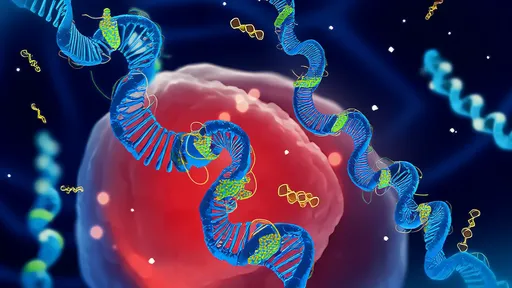
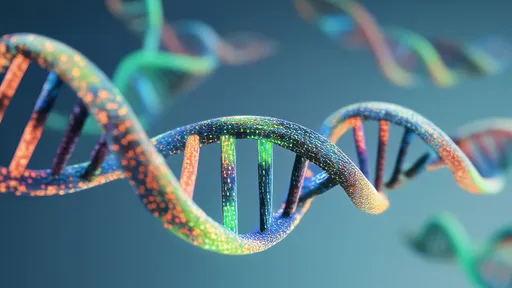
The science behind eDNA hinges on the ubiquity of genetic material in aquatic environments. Every organism continuously releases DNA into its surroundings, creating a dynamic molecular record of presence and activity. By filtering water to capture this genetic debris and applying advanced molecular techniques like polymerase chain reaction (PCR) or metabarcoding, researchers can identify species from tiny fragments of DNA. This process is not only highly sensitive—capable of detecting rare or elusive species—but also minimizes disturbance to habitats and reduces the need for costly and time-intensive fieldwork.
Globally, eDNA monitoring networks are emerging as critical infrastructures for biodiversity conservation. Initiatives like the European DNA Biodiversity Alliance and projects in the Great Barrier Reef demonstrate how coordinated efforts can map species distributions across vast regions. These networks enable real-time tracking of invasive species, such as the spread of Asian carp in North American waterways, or monitor the health of endangered populations like the European eel. By sharing data and standardizing protocols, these collaborations empower governments and conservation groups to make informed decisions swiftly.
One of the most compelling applications of eDNA is in conservation biology, where it serves as an early warning system for ecosystem changes. In freshwater systems, for instance, eDNA has been used to track the decline of native amphibians due to chytrid fungus or to monitor the recovery of fish populations after dam removals. In marine settings, it helps assess the impact of climate change on coral reefs by detecting shifts in species composition linked to warming waters. This proactive approach allows for interventions before crises escalate, potentially saving species from brink of extinction.
Despite its promise, eDNA monitoring is not without challenges. Technical hurdles include the risk of false positives from contamination or false negatives due to DNA degradation in certain conditions. Factors like water flow, temperature, and UV exposure can affect how long DNA persists, complicating interpretations. Moreover, the method currently struggles to quantify population sizes accurately, as DNA concentration doesn't always correlate directly with abundance. Researchers are refining models to account for these variables, but it remains an area of active development.
Looking ahead, the integration of eDNA with other technologies like artificial intelligence and remote sensing promises even greater advancements. AI algorithms can accelerate species identification from complex genetic data, while drones or autonomous vehicles could automate sample collection in remote or hazardous areas. Such innovations might soon enable continuous, global biodiversity monitoring, providing a living dashboard of planetary health. As costs decrease and accessibility increases, eDNA could become a staple tool not just for scientists but for citizen scientists and local communities engaged in conservation.
In conclusion, eDNA monitoring represents a paradigm shift in aquatic biology, offering a powerful, efficient, and scalable way to glimpse the hidden diversity of water bodies. While challenges persist, the ongoing refinement of techniques and growing international collaboration are paving the way for a future where biodiversity protection is data-driven and proactive. As this technology continues to evolve, it holds the potential to revolutionize our relationship with aquatic environments, ensuring that they thrive for generations to come.
By /Aug 27, 2025
By /Aug 27, 2025
By /Aug 27, 2025
By /Aug 27, 2025
By /Aug 27, 2025
By /Aug 27, 2025
By /Aug 27, 2025
By /Aug 27, 2025
By /Aug 27, 2025
By /Aug 27, 2025
By /Aug 27, 2025

By /Aug 27, 2025
By /Aug 27, 2025
By /Aug 27, 2025
By /Aug 27, 2025
By /Aug 27, 2025
By /Aug 27, 2025
By /Aug 27, 2025

By /Aug 27, 2025
By /Aug 27, 2025
