In the quiet orchards where pears and peaches grow, a silent revolution is taking place against one of fruit cultivation's most persistent adversaries: the oriental fruit moth, Grapholita molesta. For decades, farmers have waged chemical warfare against this pest, but the collateral damage—environmental harm, resistance development, and non-target species impact—has spurred a search for smarter solutions. Among the most promising is the targeted use of the moth's own communication system: its sex pheromones.
Sex pheromones are chemical signals released by insects to attract mates. Female oriental fruit moths emit a specific blend of compounds that males can detect from considerable distances. By synthesizing these pheromones and releasing them into the orchard environment, researchers and agriculturists have developed a method to disrupt the mating process, effectively reducing the pest population without broad-spectrum insecticides. This approach, known as mating disruption, represents a pinnacle of precision in integrated pest management.
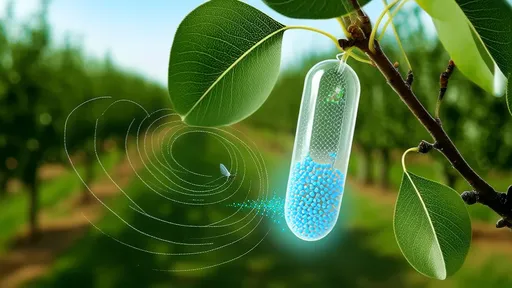
The core innovation lies in the controlled release of these pheromones. Early methods involved frequent reapplication, but advancements in formulation technology have led to the development of slow-release dispensers. These devices, often made of polymers or other materials that allow gradual emission, can maintain effective pheromone concentrations in the air for weeks or even months. This sustained release is critical, as it ensures continuous confusion among male moths throughout the mating season, preventing them from locating females and thus curtailing the next generation of larvae.
One of the key benefits of this technology is its specificity. Unlike insecticides, which can affect a wide range of insects—including beneficial pollinators and natural predators—pheromone-based control targets only the intended species. This selectivity helps preserve biodiversity and promotes a healthier ecosystem within the orchard. Moreover, by reducing chemical inputs, farmers can mitigate the risk of pesticide residues on fruit, addressing consumer concerns about food safety.
Implementation of pheromone dispensers requires careful planning. Factors such as orchard size, crop density, and local moth population dynamics must be considered to determine the optimal dispenser density and placement. Research has shown that positioning dispensers at canopy height and ensuring even distribution across the field maximizes coverage and efficacy. Weather conditions, particularly wind and temperature, also influence pheromone dispersion and longevity, necessitating adaptive strategies in different climatic regions.
Economic considerations play a significant role in the adoption of this technology. While the initial cost of pheromone dispensers may be higher than that of conventional pesticides, the long-term benefits often justify the investment. Reduced pesticide use translates to lower application costs and fewer health risks for farmworkers. Additionally, by preventing infestations that can lead to significant crop loss, pheromone-based control helps secure yield and quality, ultimately enhancing profitability for growers.
Field trials across various fruit-growing regions have demonstrated the effectiveness of this approach. In pear orchards in China, for example, the use of sex pheromone dispensers reduced oriental fruit moth damage by over 80% compared to untreated controls. Similar success stories have been reported in peach orchards in Europe and North America, underscoring the global applicability of the technology. These results have encouraged more farmers to integrate pheromone-based methods into their pest management programs.
Despite its advantages, the technology is not without challenges. Pheromone synthesis and dispenser production require specialized expertise and infrastructure, which can limit availability in some regions. There is also a need for ongoing monitoring to ensure that moth populations do not develop resistance to the pheromone confusion technique, although such resistance has been rare to date. Education and extension services are crucial to help farmers understand and implement these systems correctly.
Looking ahead, research continues to refine pheromone delivery systems. Innovations such as biodegradable dispensers and automated monitoring coupled with pheromone release are on the horizon. These advancements promise to make the technology even more sustainable and user-friendly. Furthermore, combining pheromone-based control with other biological methods, such as the release of natural enemies, could enhance overall pest management efficacy.
The story of sex pheromone slow-release technology for oriental fruit moth control is more than a tale of scientific achievement; it is a testament to the power of working with nature rather than against it. By harnessing the insect's own biology, we can protect our crops in a way that is both effective and environmentally responsible. As this approach gains traction, it paves the way for a future where agriculture is in harmony with the ecosystems it depends on.

By /Aug 27, 2025
By /Aug 27, 2025

By /Aug 27, 2025
By /Aug 27, 2025

By /Aug 27, 2025

By /Aug 27, 2025
By /Aug 27, 2025

By /Aug 27, 2025

By /Aug 27, 2025
By /Aug 27, 2025

By /Aug 27, 2025

By /Aug 27, 2025
By /Aug 27, 2025
By /Aug 27, 2025

By /Aug 27, 2025
By /Aug 27, 2025

By /Aug 27, 2025

By /Aug 27, 2025

By /Aug 27, 2025
By /Aug 27, 2025
