The maritime industry stands at a pivotal crossroads, with the urgent need to decarbonize driving unprecedented innovation in propulsion technologies. Among the most promising developments is the emergence of green ammonia as a viable zero-carbon fuel, representing a significant breakthrough in chemical hydrogen storage for shipping. This advancement is not merely an incremental improvement but a potential game-changer for one of the hardest-to-abate sectors of the global economy.
The core challenge in maritime decarbonization has always been energy density and storage. While hydrogen fuel cells offer a clean power solution, storing sufficient quantities of gaseous or liquid hydrogen onboard vessels presents immense practical difficulties due to volume requirements and cryogenic temperatures. Green ammonia, chemically known as NH3, effectively solves this problem by acting as an efficient hydrogen carrier, containing about 17.6% hydrogen by weight while remaining liquid at manageable temperatures of -33°C or under moderate pressure at ambient temperatures.
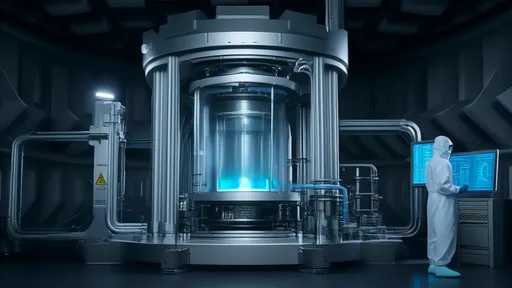
Recent technological breakthroughs in ammonia cracking and combustion have transformed this chemical compound from a theoretical solution to a practical marine fuel. Engineers have developed advanced catalytic reformers that can efficiently extract hydrogen from ammonia right onboard vessels, feeding it directly into fuel cells or modified internal combustion engines. Simultaneously, research institutions and engine manufacturers have made substantial progress in developing dual-fuel engines capable of burning ammonia directly with minimal pilot fuel, significantly improving the overall energy efficiency of the system.
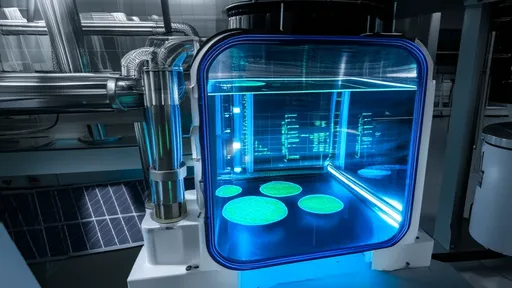
The term green ammonia is crucial to understanding the environmental promise of this technology. Unlike conventional ammonia production, which relies on fossil fuels and accounts for nearly 2% of global carbon emissions, green ammonia is produced using renewable energy through electrolysis of water to create green hydrogen, which is then combined with nitrogen from the air via the Haber-Bosch process. When used as fuel, the only byproducts are water and nitrogen, creating a truly carbon-neutral energy cycle when renewable energy powers the entire production and propulsion chain.
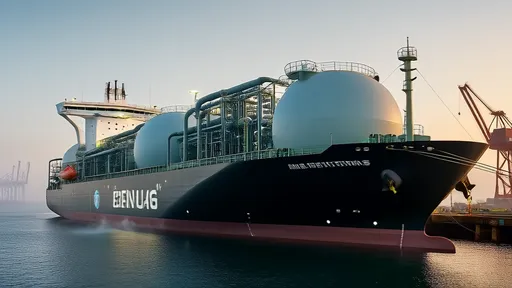
Major maritime industry players are already moving beyond the prototype stage. Several pilot projects have demonstrated the technical feasibility of ammonia-powered shipping, including a converted offshore supply vessel in Norway and a newbuild ammonia-ready bulk carrier project in Asia. Classification societies have developed preliminary guidelines for ammonia-fueled vessels, while engine manufacturers like MAN Energy Solutions and Wärtsilä have announced development programs for marine engines capable of running on ammonia. These developments signal growing industry confidence in ammonia as a marine fuel.
The infrastructure challenge, while significant, appears increasingly surmountable. Ammonia boasts a well-established global production and transportation infrastructure, with approximately 180 million tons produced annually for fertilizer and industrial uses. Major ports already handle ammonia, providing a foundation for bunkering infrastructure development. The chemical's handling properties are well-understood, and safety protocols exist through decades of industrial experience, though marine-specific regulations will need further development to address unique operational scenarios.
Economic considerations present both challenges and opportunities. Current green ammonia production costs remain higher than conventional marine fuels, but rapidly declining renewable energy prices and scaling production are driving costs down precipitously. The development of carbon pricing mechanisms and emissions regulations such as the EU's Emissions Trading Scheme for shipping will further improve the economic competitiveness of zero-carbon fuels. Forward-looking shipping companies recognize that early adoption of ammonia technology may provide competitive advantages as environmental regulations tighten and charterers increasingly demand low-carbon transportation solutions.
Technical hurdles remain, particularly regarding nitrogen oxide (NOx) emissions from ammonia combustion and the potential for nitrous oxide (N2O) formation, a potent greenhouse gas. However, researchers have made significant progress in developing combustion strategies and aftertreatment systems that minimize these emissions. The industry is also addressing concerns about ammonia's toxicity through improved safety systems, containment technologies, and crew training protocols. These solutions build upon existing industrial experience with ammonia safety.
The broader ecosystem for green ammonia shipping is developing rapidly. Energy companies are announcing large-scale green ammonia production facilities, particularly in regions with abundant renewable resources like Australia, Chile, and the Middle East. Shipping companies are forming consortia to develop ammonia-fueled vessels and bunkering infrastructure. Financial institutions are creating green financing frameworks specifically for ammonia-ready vessels, while regulatory bodies at the International Maritime Organization are working to incorporate ammonia into international safety and emissions regulations.
Looking forward, the pathway for green ammonia in shipping appears increasingly clear. While batteries, hydrogen, and other alternative fuels will likely find applications in specific shipping segments, ammonia's combination of energy density, storage practicality, and developing infrastructure makes it particularly suited for deep-sea shipping, which accounts for the majority of the industry's emissions. As technology matures and scales, ammonia-powered vessels could begin entering the global fleet in significant numbers within this decade, accelerating the maritime industry's journey toward zero emissions.
The breakthrough in green ammonia technology represents more than just another alternative fuel option—it offers a comprehensive solution to the dual challenges of hydrogen storage and zero-carbon propulsion for large vessels. As the industry moves from demonstration projects to commercial implementation, green ammonia is positioning itself as a cornerstone of maritime decarbonization, potentially transforming how the world's goods are transported while eliminating a significant source of global greenhouse gas emissions.

By /Aug 25, 2025

By /Aug 25, 2025

By /Aug 25, 2025

By /Aug 25, 2025
By /Aug 25, 2025
By /Aug 25, 2025

By /Aug 25, 2025

By /Aug 25, 2025

By /Aug 25, 2025
By /Aug 25, 2025

By /Aug 25, 2025

By /Aug 25, 2025
By /Aug 25, 2025

By /Aug 25, 2025
By /Aug 25, 2025
By /Aug 25, 2025

By /Aug 25, 2025

By /Aug 25, 2025

By /Aug 25, 2025

By /Aug 25, 2025
