In the heart of West Africa's cocoa belt, a quiet revolution is taking root. For generations, farmers have watched helplessly as swollen shoot virus, a relentless pathogen, decimated their crops and livelihoods. Now, field trials for a genetically edited, virus-resistant cocoa variety are showing promise that could transform the entire industry. This isn't just another laboratory experiment; it's a real-world application of cutting-edge science meeting urgent agricultural need.
The development, led by a consortium of international agricultural research institutes, employs CRISPR-Cas9 technology to enhance the cocoa plant's natural defenses. Unlike traditional genetic modification that might introduce foreign DNA, this approach edits specific genes within the cocoa plant itself to block viral replication. Early results from controlled field sites in Ghana indicate these edited plants maintain full resistance while preserving the bean's prized flavor profile—a critical factor for chocolate producers worldwide.
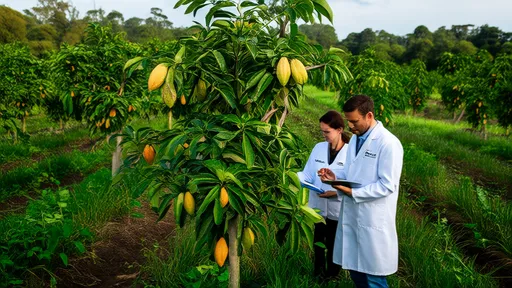
Dr. Amina Mensah, lead researcher on the project, emphasizes the practical implications. "We're not creating a new plant; we're simply giving the existing cocoa tree tools it should have naturally possessed to fight this specific threat," she explains from her research station outside Kumasi. Her team monitors hundreds of trees daily, comparing the edited varieties with conventional ones in adjacent plots. The visual difference is stark: where traditional trees show characteristic leaf swelling and yellowing, the edited specimens stand vigorous and green.
The economic implications cannot be overstated. Swollen shoot virus has destroyed over 300 million cocoa trees in West Africa alone since the 1940s, with recent outbreaks accelerating at an alarming pace. Ghana and Côte d'Ivoire, which together produce nearly 70% of the world's cocoa, have seen production drop by 30-40% in infected regions. Smallholder farmers, who constitute the backbone of cocoa production, face devastating losses when the virus strikes their fields.
Environmental benefits are equally significant. Current containment methods involve ruthless culling of infected trees and surrounding healthy ones—a process that devastates farmland and contributes to deforestation. By introducing resistant varieties, researchers hope to break this cycle of destruction. The edited trees could reduce the need for such drastic measures while maintaining biodiversity through targeted intervention rather than broad-spectrum approaches.
Regulatory bodies are watching closely. The novel approach of gene editing rather than transgenic modification places these cocoa plants in a evolving regulatory landscape. Ghana's Biosafety Authority has granted preliminary approval for controlled field testing, recognizing the national emergency posed by cocoa viruses. "This represents a new category of agricultural solution," notes regulatory specialist Kwame Osei. "We're developing frameworks that ensure safety while acknowledging the technology's precision compared to earlier methods."
Consumer acceptance remains crucial. Chocolate manufacturers are cautiously optimistic, recognizing that public perception will determine commercial viability. Industry groups have begun educational campaigns highlighting the difference between gene editing and genetic modification. Early focus group testing in European and North American markets suggests consumers respond positively when understanding the environmental and economic benefits for farmers.
The research team continues to monitor the trees through seasonal changes and varying weather conditions. Resistance appears stable through wet and dry seasons, though researchers acknowledge longer observation periods are needed. Full commercial deployment remains several years away, requiring expanded trials and thorough environmental impact assessments. Yet the pace of progress astonishes even veteran agricultural scientists who remember decades of failed attempts to combat cocoa viruses.
This breakthrough extends beyond cocoa. The methodology developed for creating virus resistance could template solutions for other tropical crops threatened by pathogens—from banana bunchy top virus to cassava brown streak disease. Research institutions across the tropics are already collaborating to adapt the approach for their most pressing agricultural challenges.
As sunset falls over the trial fields, the contrast between struggling traditional cocoa and thriving edited plants tells a story of scientific potential. The rustling leaves of resistant trees carry not just the promise of chocolate's future, but a demonstration of how precise science can address age-old agricultural problems without compromising environmental integrity or economic viability.

By /Aug 25, 2025

By /Aug 25, 2025

By /Aug 25, 2025

By /Aug 25, 2025

By /Aug 25, 2025

By /Aug 25, 2025
By /Aug 25, 2025

By /Aug 25, 2025
By /Aug 25, 2025

By /Aug 25, 2025

By /Aug 25, 2025

By /Aug 25, 2025

By /Aug 25, 2025

By /Aug 25, 2025

By /Aug 25, 2025

By /Aug 25, 2025

By /Aug 25, 2025

By /Aug 25, 2025

By /Aug 25, 2025

By /Aug 25, 2025
